
Support

Shipping heavy equipment across Canada

Shipping is easy to underestimate during the buying process. The right machine still has to move safely, legally, and on a schedule that works for the project, which means transport planning deserves attention before the purchase is finalized.

This page explains the practical side of moving heavy equipment across Canada without pretending every route or machine will follow the same playbook.

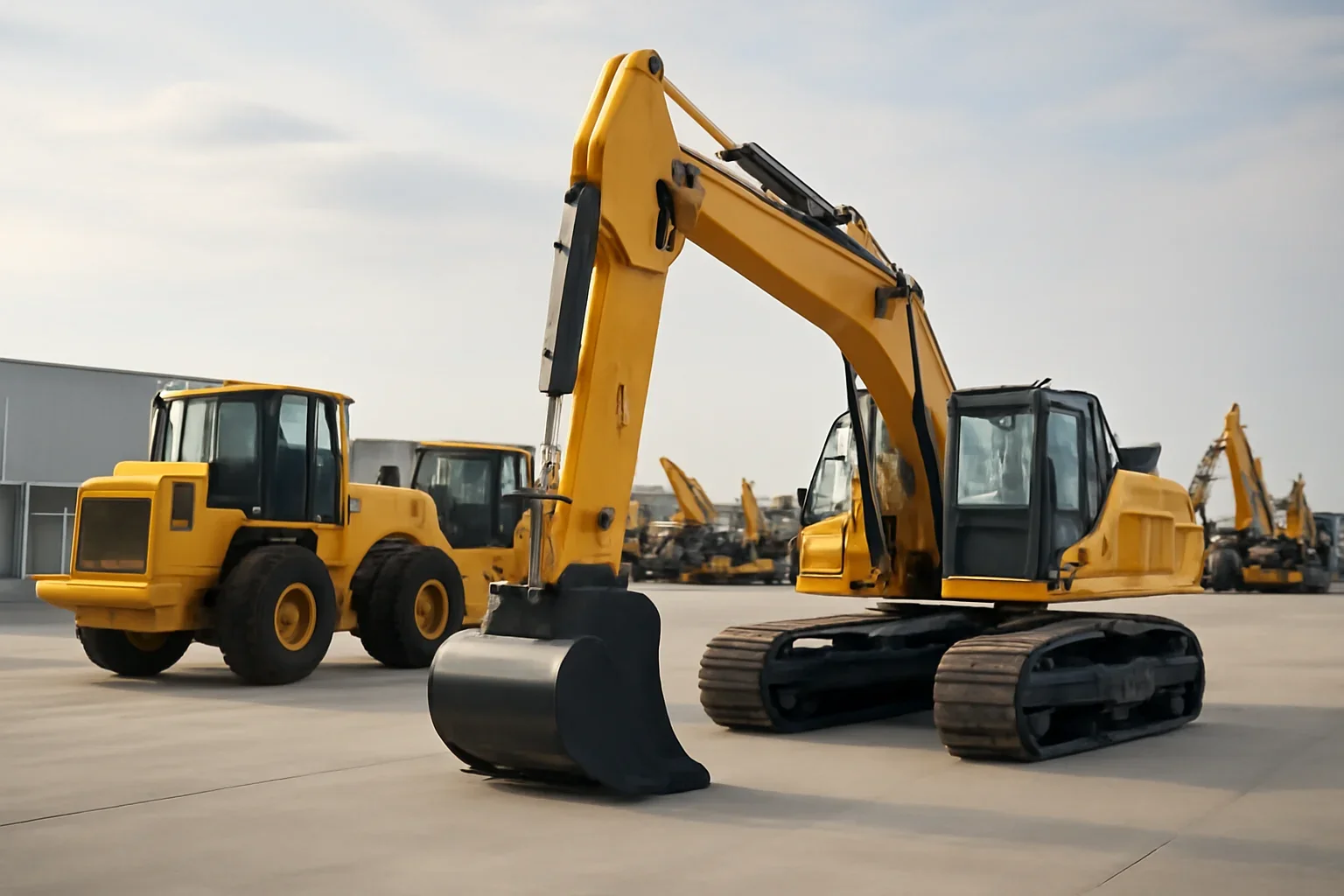
Heavy equipment staged in a clean equipment yard
Buyer reviewing machine details for heavy equipment
Support detail

Plan for size, weight, and route realities

Transport decisions start with dimensions, weight, machine configuration, and whether attachments or accessories should travel separately. Those factors affect trailer choice, route planning, loading method, and whether permits or escorts need to be considered.

Early planning reduces surprises and helps buyers judge the real landed cost rather than only the machine price.

What to expect

Keep the process practical from the start

The most helpful support content shows what to review before the decision becomes urgent. That keeps the buying or selling process steadier and reduces avoidable surprises.

Point 2

Coordinate loading and paperwork

Shipping goes more smoothly when pickup details, machine readiness, documentation, and site access are all confirmed before the truck arrives. A small oversight at this stage can create delays that are far more expensive than solving the issue in advance. That coordination matters whether the move is local, interprovincial, or tied to a narrow project start date.

Point 3

Treat delivery timing as part of the buying decision

The best machine on paper may not be the best machine if the transport plan pushes the project off schedule. That is why freight, route timing, and loading readiness belong in the conversation before a deal is finalized. Buyers who address shipping early usually make cleaner decisions and avoid rushing a transport solution after the fact.

Inspection and quote workflow for heavy equipment
Internal links

Pages that support this decision

FAQ

Questions related to this support topic

What information is needed to plan shipping properly?

Dimensions, weight, attachments, pickup and delivery locations, site access details, and timing all matter. Those basics shape trailer choice, route planning, loading method, and whether permits or escorts need to be considered.

Should freight be priced only after the machine is chosen?

Not necessarily. Early freight planning helps you judge the real landed cost while you are still comparing machines. That can stop a seemingly cheaper unit from becoming the more expensive option after transport is added.

Can delivery timing change which machine is the best choice?

Yes. A strong machine on paper may lose value if the route, loading readiness, or permit timing pushes the project off schedule. That is why shipping belongs in the buying discussion before the deal is finalized.

Next step

Talk through the right next move

Send a few details about the machine type, budget range, location, and timeline for your heavy equipment search, and we will reply with a more focused direction.

When the job has unusual access limits, freight considerations, or attachment requirements, call those out early so the heavy equipment shortlist stays realistic.

Sales consultation related to Shipping heavy equipment across Canada