Step 1
Start with the buying brief
A short summary of the task, size range, delivery location, and budget usually does more than a long list of generic requirements.

Buying heavy equipment should feel clearer once the job, the condition standard, and the ownership plan are defined. Our team helps buyers sort those pieces before the shortlist gets too noisy.
Some buyers are filling an immediate gap, while others are planning for a broader fleet change. In both cases, the most useful comparison starts with the real task rather than the most eye-catching listing.

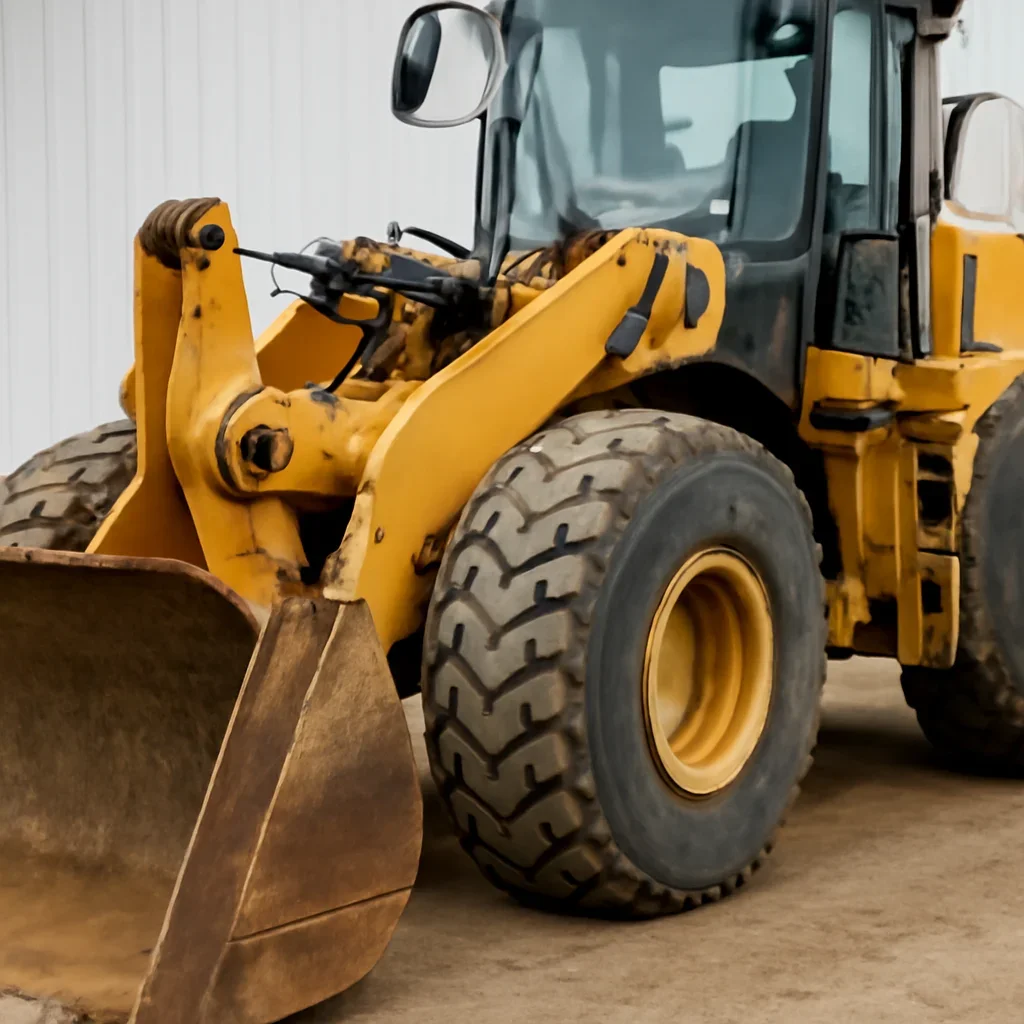
Different listings can look similar until you compare the details that affect real use, such as setup, wear items, support history, and how the machine will be transported or financed.
Buyers usually get better outcomes when they decide early what the machine must do in the field, what setup cannot be compromised, and which trade-offs are still acceptable.
Searches around construction equipment dealer, used equipment dealer, and machinery dealer near me can lead in different directions, so the better next move is to decide which setup solves the job with the least compromise.
A good equipment experience depends on what happens after interest is shown, not only on the machine itself. That is why process detail matters so much.
A short summary of the task, size range, delivery location, and budget usually does more than a long list of generic requirements.
Good options are reviewed against condition, likely near-term costs, and whether the setup genuinely matches dealer-focused page for nationwide buyers rather than only sounding close.
With the right unit identified, the next step is to align pricing, financing if relevant, and transport so the purchase can move without guesswork.

See how contact handles contact sales team and request equipment sourcing help so the next decision is easier to compare.
See how heavy equipment financing canada handles financing, leasing, and approvals for equipment purchases so the next decision is easier to compare.
This link goes deeper on browse all heavy equipment categories for sale and can sharpen the shortlist from here.
Yes. Many buyers start with a category page like this one and then narrow the brief around size, hours, attachments, and location. That makes it easier to identify whether a live listing fits or whether a sourcing request makes more sense.
The most helpful enquiries include the job type, preferred machine size, budget range, location, and timeline. Mentioning any must-have attachments, lift height, reach, or transport limits can also prevent wasted back-and-forth.
Start with the job and the configuration, then look at condition, wear items, service history, and delivery timing. The best option is the one that suits the work reliably, not simply the one with the lowest headline price.
Send a few details about the machine type, budget range, location, and timeline for your heavy equipment search, and we will reply with a more focused direction.
When the job has unusual access limits, freight considerations, or attachment requirements, call those out early so the heavy equipment shortlist stays realistic.
