Machine
Present the equipment clearly
Useful photos, records, and known issues make the first valuation conversation more realistic and productive.

Selling heavy equipment works best when the machine is described honestly and the owner is clear about the goal. Some sellers want the fastest clean exit, while others care more about value, replacement timing, or whether a trade-in makes better sense.
This page is built to help owners prepare for that decision before they open the conversation.
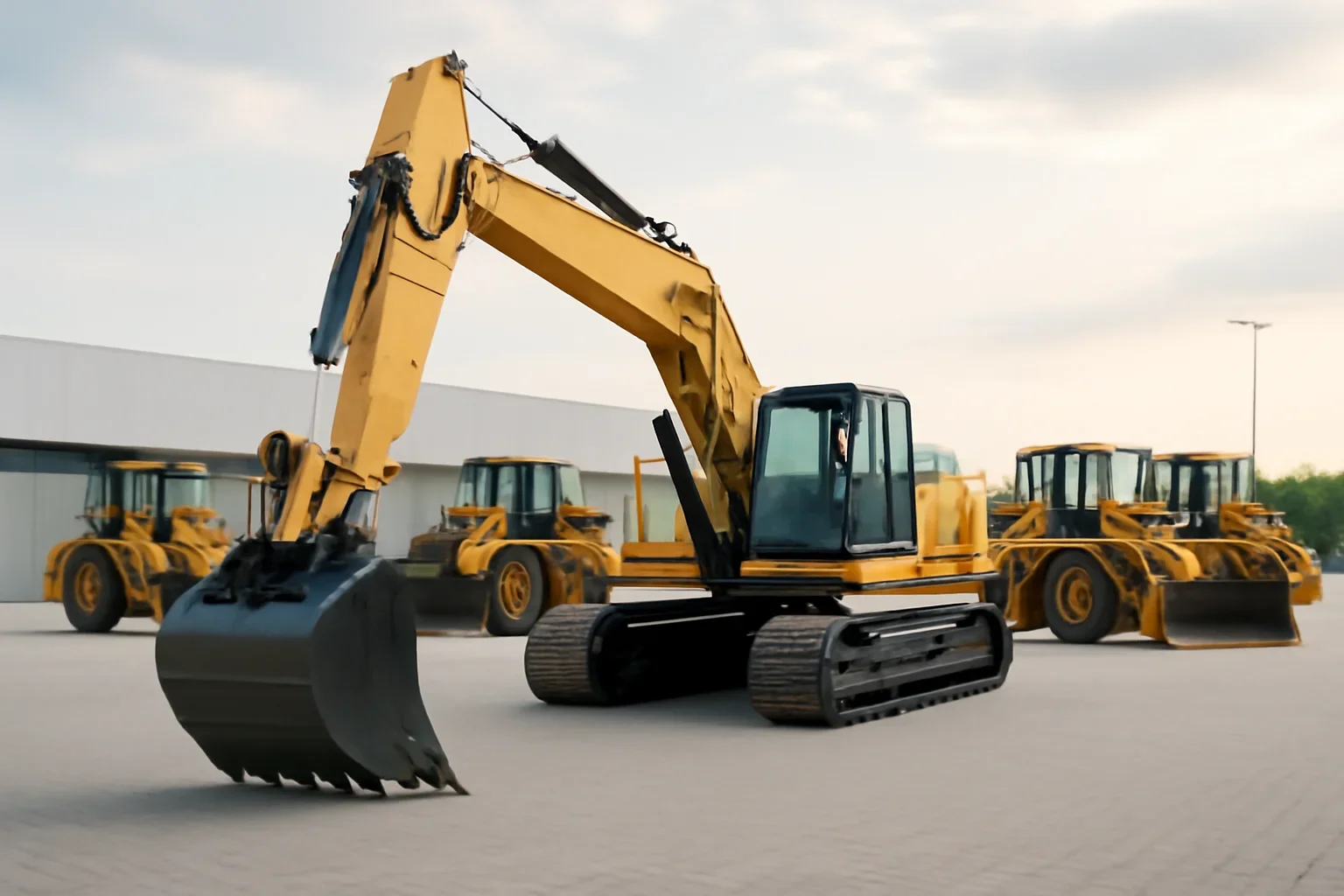
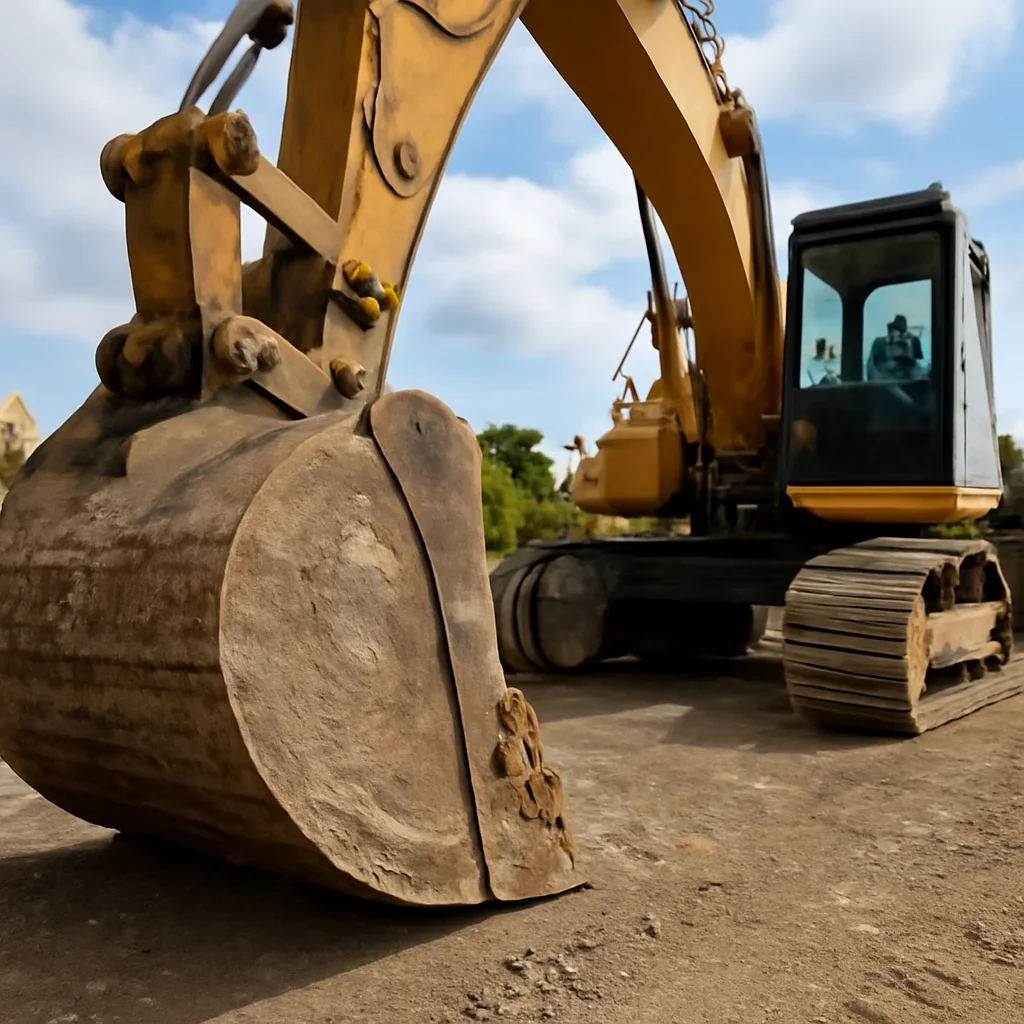
Strong seller enquiries start with useful photos, model and serial information, hours, attachments, service history, location, and a straightforward explanation of condition.
The machine does not need to be perfect, but the information should be honest. Buyers and dealers can work with wear, repairs, or cosmetic issues more easily when those details are disclosed early.
The more complete the picture is at the start, the easier it becomes to decide whether a direct sale, buyback discussion, or trade-in path is the better fit.
A better process makes it easier to align equipment choice, budget, timing, and follow-through instead of treating them like separate problems.
Useful photos, records, and known issues make the first valuation conversation more realistic and productive.
Some owners need the unit gone quickly, while others have time to focus on value. That difference changes the best selling path.
Once interest is real, accessibility, paperwork, and timing become the details that keep the sale moving.

This link goes deeper on contact sales team and request equipment sourcing help and can sharpen the shortlist from here.
See how heavy equipment financing canada handles financing, leasing, and approvals for equipment purchases so the next decision is easier to compare.
See how equipment hub handles browse all heavy equipment categories for sale so the next decision is easier to compare.
Model, serial number, hours, location, attachments, service history, and clear photos are the most helpful starting points. A short note about known issues or recent work also makes the conversation more honest.
That depends on whether you need replacement equipment and how much timing matters. A trade-in can simplify the transition, while a straight sale may make more sense when flexibility is higher.
No. Cosmetic issues are often manageable as long as the condition is explained honestly. The larger concern is hiding mechanical or structural problems that will surface later anyway.
Share the work ahead, the machine size or capacity, and when you need to move on your heavy equipment decision, and our team will outline the next practical step.
It also helps to mention any must-have features, acceptable hour range, and how quickly the heavy equipment decision needs to be made.
