Local context
Vancouver
Urban density, staging limits, and schedule pressure often make compact dimensions and delivery windows especially important.

If you are looking at equipment options in BC, local market context matters just as much as category and price. The right machine still has to fit the work, the schedule, and the delivery path.
British Columbia projects often involve tighter urban access, hilly terrain, wet-weather planning, and busy logistics corridors, which makes machine size and delivery timing especially important.
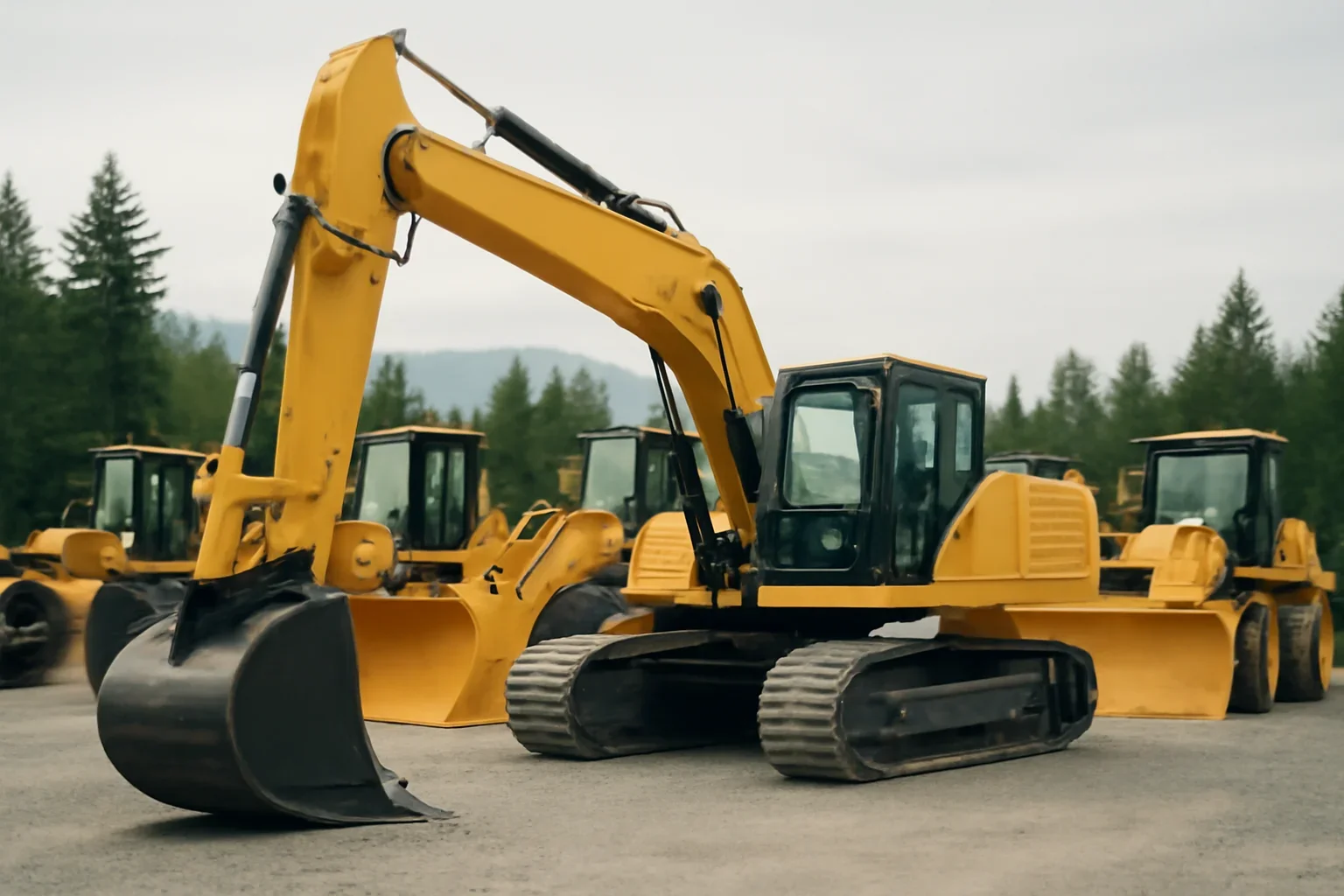

Local pages are most useful when they explain what buyers in BC tend to care about first. That may be access, regional job mix, forklift demand, transport timing, or the balance between local and out-of-province inventory.
The stronger approach is to start with the work and the local constraints, then decide how wide the search needs to be. That keeps the shortlist practical instead of overly narrow.
Once the machine type is clear, nearby availability, freight, and schedule certainty become much easier to judge together.
Urban density, staging limits, and schedule pressure often make compact dimensions and delivery windows especially important.
Industrial and warehouse demand often overlaps with general construction needs, so buyers may compare forklifts and heavy equipment together.
Fraser Valley buyers often balance yard access, agricultural support, regional service work, and equipment transport across a wider area.
Interior and island work can shift priorities around transport planning, attachment versatility, and machine size.
A strong enquiry for BC usually includes the machine category, preferred size or capacity, budget range, project area, and whether financing or delivery needs to be coordinated at the same time.
A short summary of the task, size range, delivery location, and budget usually does more than a long list of generic requirements.
Good options are reviewed against condition, likely near-term costs, and whether the setup genuinely matches provincial sales landing page rather than only sounding close.
With the right unit identified, the next step is to align pricing, financing if relevant, and transport so the purchase can move without guesswork.

Review equipment hub if you want the main questions around browse all heavy equipment categories for sale gathered in one place.
Open heavy equipment financing canada for a more focused read on financing, leasing, and approvals for equipment purchases before you move to the next step.
This link goes deeper on national location landing page and can sharpen the shortlist from here.
No. Local inventory can be the best option, but it is not the only one worth considering. Many buyers in BC widen the search when a better match on condition, hours, attachments, or price sits elsewhere in Canada.
The most useful details are the machine type, job mix, budget range, project location, and preferred timeline. If access is tight or the machine needs to move between sites, mention that as well because those details often change the best fit.
Yes. That comparison is often where the better decision appears. The important part is weighing transport timing and landed cost against the improvement in machine fit rather than assuming closer is always better.
Send a few details about the machine type, budget range, location, and timeline for your BC search, and we will reply with a more focused direction.
Local access notes, postal code, and whether BC inventory should be compared with out-of-province units can make the response more precise.